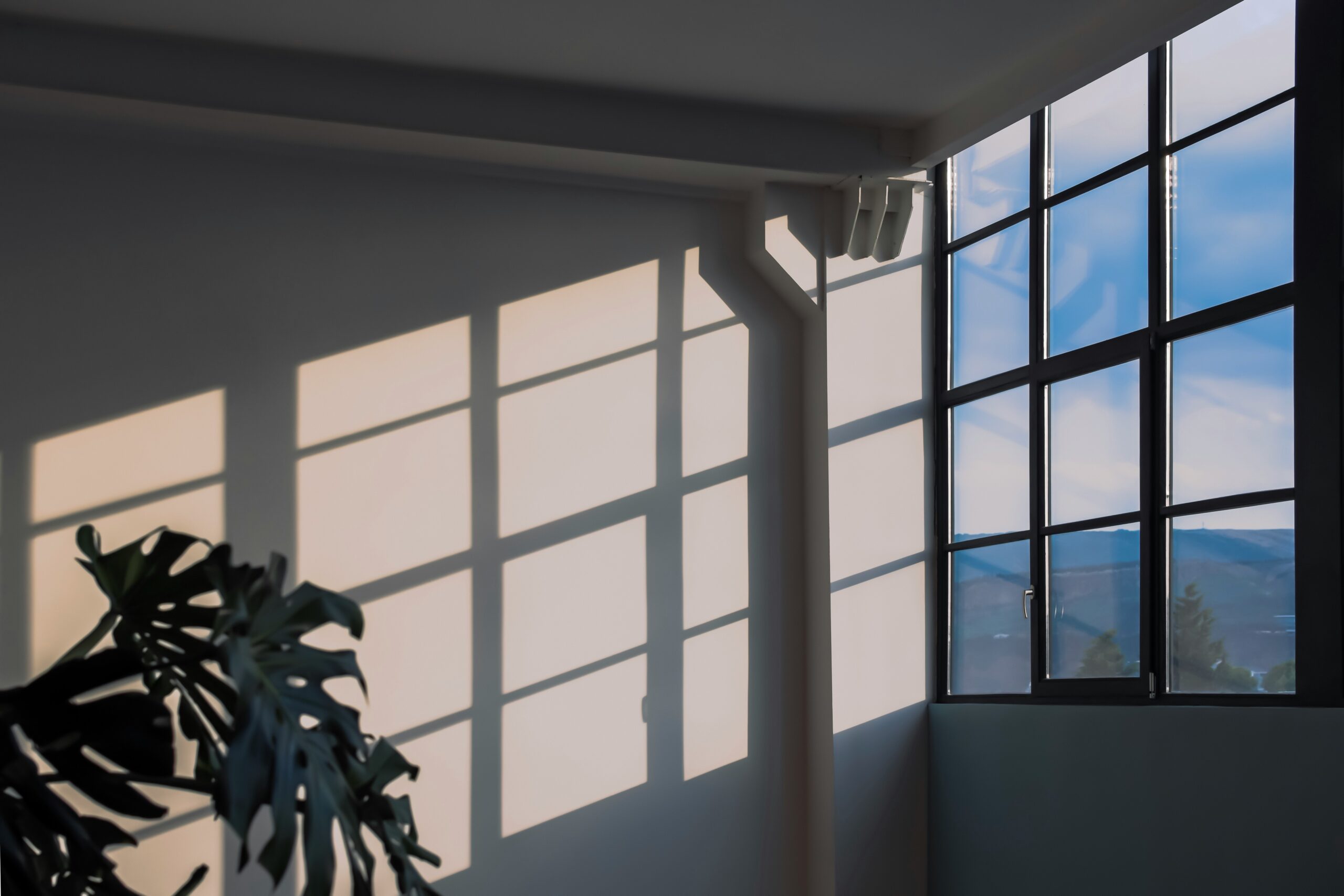
Few things affect everyday comfort inside a home as consistently as sunlight. Natural light makes living spaces feel brighter and more inviting, but excessive heat, glare, and prolonged sun exposure can also make certain rooms uncomfortable during different times of the day. Whether it’s a family room that becomes difficult to enjoy in the afternoon or a home office where screen glare interrupts productivity, many homeowners eventually begin looking for practical ways to create a more comfortable indoor environment.
While adjusting blinds or curtains may offer temporary relief, those solutions often reduce natural light along with unwanted heat and glare. Window improvements provide another approach by helping homeowners maintain bright interiors while improving overall comfort. Rather than viewing window enhancements solely as an energy-efficiency upgrade, many people appreciate them because they make daily living more enjoyable throughout the year.
Creating a comfortable home is rarely about making one dramatic change. Instead, it usually involves combining thoughtful improvements that work together to support better lighting, more consistent indoor temperatures, greater privacy, and a more pleasant living environment for everyone in the household.
A comfortable home balances natural light, indoor temperature, privacy, and visual comfort. Small improvements that address several of these factors at once often have a greater impact than focusing on only one aspect of the living environment.
Why Comfort Is About More Than Temperature
When people think about making their homes more comfortable, heating and air conditioning systems are usually the first improvements that come to mind. While indoor temperature certainly plays an important role, comfort is influenced by several additional factors that are easy to overlook during everyday life.
Glare from direct sunlight can make televisions difficult to watch, create reflections on computer monitors, and reduce comfort while reading or relaxing. Strong afternoon sun may also cause certain rooms to feel noticeably warmer than others, even when the home’s HVAC system is operating normally. Over time, these small frustrations can affect how frequently different areas of a home are actually used.
Creating a comfortable living space therefore involves looking beyond the thermostat. Natural lighting, window placement, furniture arrangement, and the amount of direct sunlight entering each room all contribute to how enjoyable a home feels throughout the day.
Sunlight Influences Everyday Living
Sunlight provides many benefits, including bright interiors and a welcoming atmosphere, but it can also influence daily routines in unexpected ways. Homeowners often rearrange furniture to avoid direct sunlight, close curtains during the brightest parts of the day, or avoid spending time in rooms that consistently become too warm. While these adjustments may solve immediate problems, they sometimes limit how much people enjoy their living spaces.
Reducing excessive glare can make entertainment rooms more enjoyable, improve visibility while working from home, and create more comfortable spaces for reading or relaxing. Likewise, minimizing excessive heat entering through windows may help rooms maintain a more balanced indoor environment without relying entirely on window coverings to block sunlight.
These improvements are often appreciated not because they dramatically change a home’s appearance, but because they quietly improve everyday comfort in ways homeowners notice over time.
Bright sunlight, increased glare, warmer rooms during peak daylight hours, and greater reliance on blinds or curtains to reduce discomfort.
More balanced natural light, improved visual comfort, reduced glare, and living spaces that remain enjoyable throughout more of the day.
Finding the Right Balance for Your Home
Every home has different lighting conditions, architectural designs, and homeowner preferences. Large south-facing windows may create different challenges than shaded living spaces, while families who spend significant time working from home may prioritize glare reduction differently than those focused primarily on privacy or indoor comfort.
Because every situation is unique, selecting the right solution often begins with understanding the available options. Readers interested in learning more about different types of window films can also explore the pros and cons of window films, which provides a balanced overview of factors homeowners commonly consider before making a decision.
When Window Tint Becomes a Practical Home Upgrade
Many home improvements focus on appearance, while others improve functionality behind the scenes. Window tint often provides both. Although the visual effect is usually subtle, homeowners frequently notice the difference through improved comfort, reduced glare, greater privacy during the daytime, and a more enjoyable indoor environment.
The decision to install window tint is also highly flexible. Some homeowners choose to improve only the rooms receiving the strongest afternoon sun, while others prefer a whole-home approach that creates a more consistent experience throughout the property. The best solution depends on factors such as window orientation, household routines, architectural design, and personal preferences.
Homeowners exploring options to improve indoor comfort may also consider Residential window tinting Boca Raton as one way to reduce glare, manage sunlight, and create living spaces that remain comfortable throughout the day without sacrificing natural light.
Small Improvements Can Change How You Use Your Home
Comfort influences how people interact with their homes every day. A room that feels too warm during the afternoon may become one that is rarely used, while excessive glare can make simple activities such as reading, watching television, or working on a computer less enjoyable. Addressing these issues often changes how homeowners experience spaces they already have rather than requiring expensive renovations or additions.
Improvements that support comfort also tend to complement other home upgrades. Furniture placement becomes more flexible when direct sunlight is less intrusive, decorative finishes receive less exposure to intense sunlight, and family members may naturally spend more time in rooms that remain pleasant throughout changing seasons.
These benefits develop gradually through everyday use. Instead of creating a dramatic visual transformation, they often improve the overall living experience in subtle ways that become increasingly noticeable over time.
Comfort Is an Ongoing Investment
Creating a comfortable home is rarely the result of one individual improvement. Heating and cooling systems, insulation, lighting, flooring, furniture, landscaping, and window treatments all contribute to how enjoyable a home feels throughout the year. Window enhancements simply become another part of that larger strategy by helping homeowners better manage natural light while supporting a more balanced indoor environment.
Approaching comfort from this broader perspective also encourages thoughtful decision-making. Rather than searching for a quick solution to one isolated problem, homeowners often achieve better long-term results by selecting improvements that complement one another and continue providing value well into the future.
As lifestyles change, homes increasingly serve multiple purposes—from workplaces and classrooms to entertainment spaces and quiet places to relax. Improvements that enhance everyday comfort therefore become valuable not only because they solve existing challenges but because they help homes adapt to changing needs over time.
The best home improvements are often the ones that quietly improve everyday life. Managing sunlight, reducing glare, and creating more comfortable living spaces can make ordinary daily activities more enjoyable without dramatically changing the appearance of your home.
Final Perspective
Comfort is influenced by many small details that work together throughout the home. While temperature is certainly important, factors such as natural light, glare, privacy, and the overall indoor environment also shape how enjoyable each room feels. Taking a thoughtful approach to these elements allows homeowners to create spaces that remain comfortable during everyday activities as well as special occasions.
Whether improving one room or planning broader home upgrades, considering how sunlight affects everyday living can lead to practical improvements that continue providing value for years to come. Small changes made with long-term comfort in mind often have the greatest impact on how a home is experienced every single day.